
Last updated for 2026 UK building control conditions.
Understanding building control delays, inspection capacity, and how to plan around them.
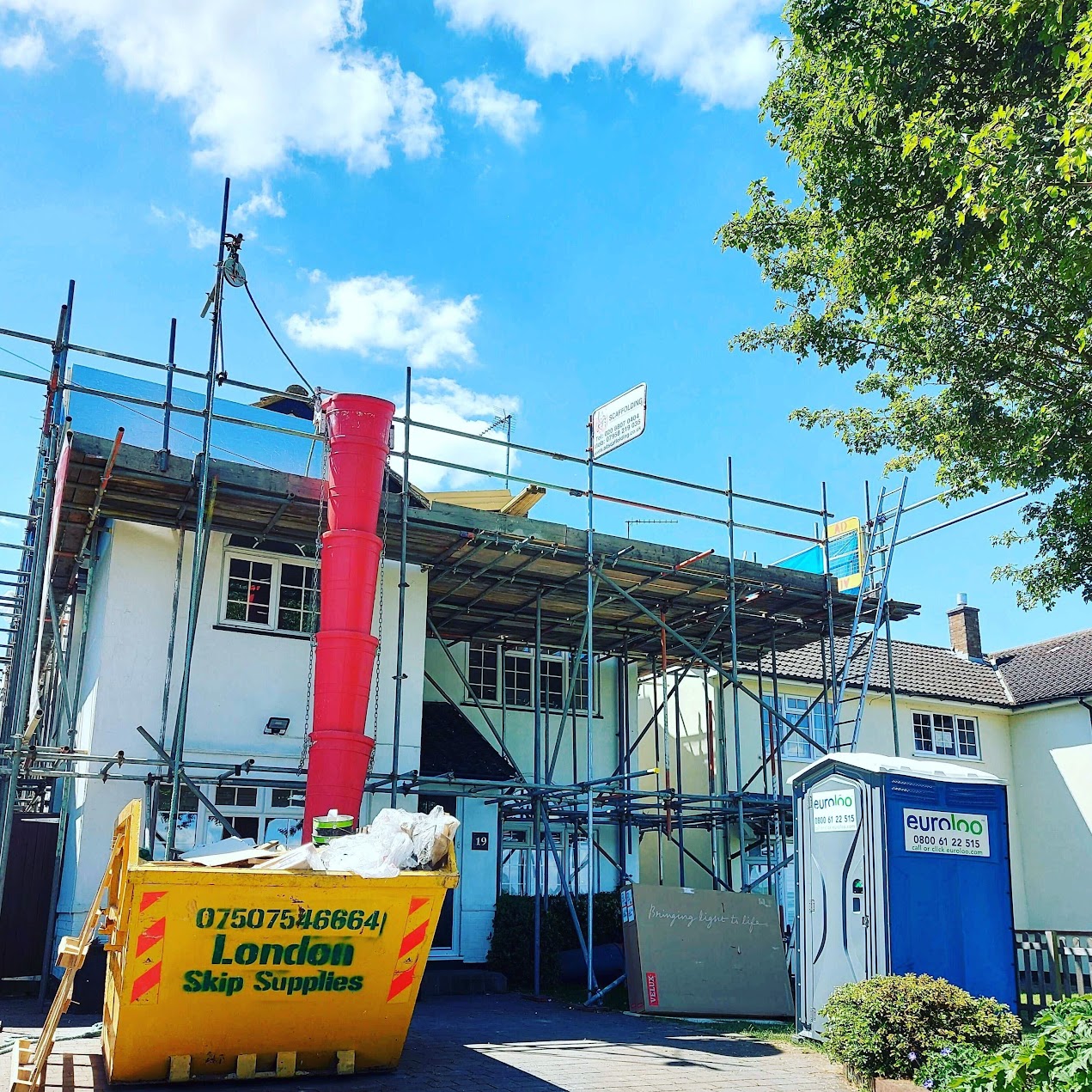
Quick answer: is there a building inspector shortage?
Yes. Across the UK, a shortage of qualified building inspectors is delaying project start dates.
The issue is driven by staffing pressures within local authority building control teams, increased regulatory
workload, and sustained construction demand. Many projects are ready to start but are delayed due to inspection
capacity rather than planning approval or build readiness.
This page explains why the shortage exists, how it affects builders and homeowners,
and what practical options are available when inspection availability becomes a bottleneck.
Why Is There a Building Inspector Shortage in the UK?
The current shortage of building inspectors is the result of several overlapping factors rather than a single cause.
Local authority building control departments across England have experienced long-term recruitment and retention
challenges, while the complexity and volume of regulatory work has increased.
- Aging workforce: many experienced inspectors are nearing retirement.
- Low recruitment: fewer trainees are entering building control roles.
- Increased regulation: post-Grenfell safety reforms have expanded inspection requirements.
- Ongoing construction demand: extensions, loft conversions, and small developments continue at pace.
Together, these pressures have reduced inspection capacity at the same time as demand has remained high.
How the Shortage Is Affecting Builders and Homeowners
For projects with planning approval already in place, delays are most often felt at the point where work is ready to
begin. Builders may struggle to secure an inspector allocation or book inspections at key construction stages.
- Delayed allocation of a building control officer
- Extended waiting times for initial site visits
- Difficulty booking inspections at critical stages
- Start dates slipping despite labour and materials being ready
In many cases, the issue is not compliance or quality, but simply capacity.
Are Local Authority Building Control Delays Widespread?
Yes. While availability varies by region, delays are being reported across many local authority areas.
Some councils remain responsive, but others are operating with reduced staffing levels and prioritised workloads.
This inconsistency makes project planning more difficult, particularly for builders working across multiple areas.
What Are Your Options If Inspections Are Delayed?
Where local authority building control cannot accommodate a planned start date, there are still lawful and compliant
options available.
- Waiting for council inspection availability where timescales remain workable
- Appointing a private Approved Inspector (subject to project type)
- Reviewing inspection sequencing where compliant and agreed in advance
When Private Building Control Becomes the Practical Route
Private Approved Inspectors are authorised to carry out building control functions on many types of projects.
In periods of council delay, they can sometimes offer faster allocation and greater scheduling flexibility.
This route is commonly used for loft conversions, extensions, and time-sensitive residential projects where delays
carry financial or programme risk.
How to Keep Your Project Moving Despite Delays
The most effective way to manage building control delays is to address inspection availability early – before labour
and materials are committed.
- Confirm inspection availability before fixing a start date
- Understand whether council or private routes are realistic locally
- Prepare compliance documentation early to avoid compounding delays
Many delays can be avoided not by changing the scope of work, but by choosing the right inspection route at the right time.
Next step
For a clear comparison of inspection routes, timescales, and suitability, read:
Council vs Private Building Control: Which Is Faster in 2026?